
National Republican Party logo
America First

POWERED BY

Limited Government
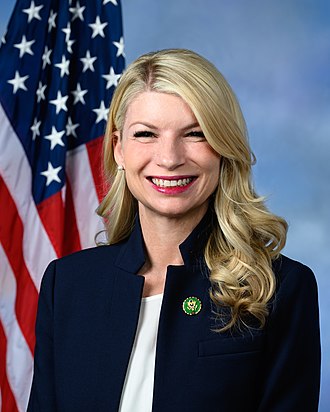
Brittany Pettersen — Democratic U.S. Representative for Colorado's 7th Congressional District (official headshot)

Brittany Pettersen Voting Record & Scorecard | National GOP Platform

US Representative from CO

District: 7Democrat

2025 GOP Alignment:

10.53%

Lifetime Alignment:

12.19% (F)

Voting Alignment with GOP Platform – by Chapter

N/A
Click Icon to Filter Table

Rep. Brittany Pettersen represents Colorado's 7th Congressional District in the U.S. House of Representatives. Pettersen's voting record aligned 11% of the time to the National Republican Platform in 2025, demonstrating little to no adherence to the principles of the Republican Party and Platform ratified by President Trump and Republicans across the nation at the 43rd Republican National Convention. Brittany Pettersen voted on 133 of the 175 substantive bills advanced in the 2025 legislative session that pertained to the Republican party platform. Across 2 years, Brittany Pettersen's lifetime GOP Platform score averages 12%, based on 327 votes across 371 bills. The chapters of the platform Pettersen aligned most closely with the GOP include Chapter 6: Protect Our Constitution And Seniors. (100%), Chapter 5: Protect American Workers And Farmers From Unfair Trade. (42%), and Chapter 2: Seal The Border And Stop The Migrant Invasion. (26%).

Title

Lawmaker Position

H.Con.Res. 58House 20251x

Condemning Socialism and Defending Individual Liberty, Private Property, and Free Enterprise.

With GOP
The "Denouncing the horrors of socialism" concurrent resolution, sponsored by Rep. Maria Elvira Salazar (R-FL), expresses the sense of Congress that socialism should be denounced in all its forms and that Congress opposes the implementation of socialist policies in the United States. The resolution lays out a series of findings describing the historic record of socialist and communist regimes, including famine, repression, and mass death, and it highlights how centralized economic control often collapses into authoritarian rule. It also underscores America''s founding principles by citing the importance of property rights, personal liberty, and the freedom to enjoy the fruits of one''s labor.
H.Con.Res. 61House 20251x

Restricting the President''s Ability to Use Military Force Against Cartel Terrorists and Narco-Traffickers in the Western Hemisphere

Against GOP
This concurrent resolution, introduced by Rep. Gregory Meeks (D-NY), would direct the removal of United States Armed Forces from hostilities with presidentially designated terrorist organizations in the Western Hemisphere unless Congress enacted a declaration of war or specific authorization. The resolution followed the Trump administration''s designation of cartels and related groups as terrorist organizations and its military campaign against suspected drug trafficking boats in the Caribbean and nearby waters. According to opponents of the resolution, it failed to account for the extraordinary national security threat posed by violent drug trafficking cartels and narco-terrorists operating in and around the Caribbean Sea. They argued that these groups are heavily armed, increasingly organized, and directly responsible for the flow of deadly drugs into American communities, and that Congress should not move forward with a measure that limits the President''s ability to act against them.
H.Con.Res. 64House 20251x

Preventing the President from Using Military Force to Protect Americans from Narco-Terrorists and Drug Trafficking Threats Linked to Venezuela

Against GOP
This concurrent resolution, introduced by Rep. Jim McGovern (D-MA), would direct the removal of United States Armed Forces from hostilities within or against Venezuela unless Congress enacted a declaration of war or specific statutory authorization. The measure came amid the Trump administration''s expanding military campaign against suspected drug trafficking boats in and around the Caribbean and broader tensions involving Venezuela. According to opponents of the resolution, it failed to account for the extraordinary national security threat posed by violent drug trafficking cartels and narco-terrorists operating in the region, some of which may be connected to the Maduro regime. They argued that moving this resolution would restrict the President''s authority as commander in chief and make it harder to protect Americans from foreign criminal organizations driving violence and deadly drugs into the United States.
H.J. RES. 104House 20251x

Overturning a Biden Bureau of Land Management Plan that Prevents Coal Leasing on 1.7 Million Acres of Federal Land

Against GOP
This resolution introduced by Rep. Troy Downing (R-MT) utilizes the Congressional Review Act (CRA) to nullify a Biden administration rule submitted by the Bureau of Land Management (BLM) relating to the "Miles City Field Office Record of Decision and Approved Resource Management Plan Amendment." Resource management plans guide how BLM-administered lands are managed, including whether and where coal leasing may be considered. The Miles City plan amendment made 1.7 million acres unavailable for future coal leasing. According to supporters, this kind of federal land "lock up" undermines local economies and energy affordability by putting Washington planners ahead of workers, communities, and responsible development.
H.J. RES. 105House 20251x

Overturning a Biden Bureau of Land Management Rule that Restricts Oil, Gas, and Coal Development on Federal Lands in North Dakota.

Against GOP
This resolution introduced by Rep. Julie Fedorchak (R-ND) utilizes the Congressional Review Act (CRA) to nullify a Biden administration rule submitted by the Bureau of Land Management (BLM) relating to the "North Dakota Field Office Record of Decision and Approved Resource Management Plan." Resource management plans guide how BLM-administered lands are managed, including where energy development is allowed or restricted. Biden''s North Dakota plan modified the prior 1988 plan by limiting oil and gas development in certain areas and restricting new coal leasing to areas within four miles of existing mines. According to supporters, the rule represents a federal land-use "lock up" that would limit access to domestic resources, threaten jobs and state revenues, and increase energy costs for families and businesses.
H.J. RES. 106House 20251x

Overturning a Biden Bureau of Land Management Plan that Blocks Mineral Extraction on Millions of Acres in Alaska''s Central Yukon Region.

Against GOP
This resolution introduced by Rep. Nicholas Begich (R-AK) utilizes the Congressional Review Act (CRA) to nullify a Biden administration rule submitted by the Bureau of Land Management (BLM) relating to the "Central Yukon Record of Decision and Approved Resource Management Plan." Resource management plans guide how BLM-administered lands are managed, including where uses such as responsible development, access, and conservation rules will apply. The Central Yukon plan was issued on November 12, 2024, and, among other changes, designates 21 areas as "critical environmental concern" and locks up roughly 3.6 million acres. According to supporters, these designations and related restrictions amount to a federal land "lock up" that can limit multiple-use access, hinder economic opportunity, and place Washington bureaucrats in charge of decisions that should be made closer to the people most affected.
H.J.Res. 130House 20251x

Restoring American Energy and Jobs by Reversing the Biden-Era Plan that Shut Down Future Federal Coal Leasing.

Against GOP
This resolution, sponsored by Rep. Harriet Hageman (R-WY), uses the Congressional Review Act (CRA) to nullify a former Biden administration rule implemented at the Bureau of Land Management titled "Buffalo Field Office Record of Decision and Approved Resource Management Plan Amendment" on November 20, 2024. The Biden-era rule made no federal coal available for future leasing in the Buffalo Field Office area, effectively ending future federal coal leasing in Wyoming''s Powder River Basin. By disapproving the 2024 rule, Congress would undo those restrictions and revert management back to the 2020 Trump-era plan, thus expanding the domestic energy supply.
H.J.Res. 131House 20251x

Repealing the Biden-Era ANWR Coastal Plain Leasing Restrictions to Restore Domestic Energy Production and Lower Costs.

Against GOP
This resolution, sponsored by Rep. Nicholas Begich (R-AK), uses the Congressional Review Act (CRA) to nullify a former Biden administration rule implemented at the Bureau of Land Management titled "Coastal Plain Oil and Gas Leasing Program Record of Decision" on December 9, 2024. The Biden-era rule changed how oil and gas leasing can occur in the Coastal Plain program area within the Arctic National Wildlife Refuge. The Biden-era decision replaced the 2020 record of decision under the first Trump administration that had made the full 1.6 million acre program area available for leasing. The Biden-era decision made only 400,000 acres available for leasing (the statutory minimum) placing roughly 1.2 million acres off-limits.
H.J.Res. 25House 20251x

Repealing a Biden IRS Rule that Grows Financial Surveillance Through Expanded Crypto "Broker" Reporting

With GOP
This joint resolution, introduced by Rep. Mike Carey (R-OH), would utilize the Congressional Review Act (CRA) to repeal an Internal Revenue Service rule titled "Gross Proceeds Reporting by Brokers That Regularly Provide Services Effectuating Digital Asset Sales" and published on December 30, 2024. The underlying rule expands who the IRS treats as a "broker" for digital asset sales and would require covered entities to report gross proceeds and send new tax statements tied to crypto transactions. According to supporters, repealing the Biden rule would stop Washington from rewriting the definition of "broker" to sweep in parts of the digital asset economy that do not operate like traditional brokerages, including technology platforms that cannot realistically collect the personal data the rule demands. They argue the Biden rule is less about honest tax administration and more about building a new reporting regime that turns financial innovation into a compliance trap, pushing lawful activity overseas while increasing the federal government''s ability to monitor Americans'' economic lives.
H.J.Res. 60House 20251x

Overturning a Draconian Biden Rule that Banned Off-Road Vehicle Usage on Miles of Trails at Glen Canyon National Park

Against GOP
This joint resolution, introduced by Rep. Mike Kennedy (R-UT), would utilize the Congressional Review Act (CRA) to repeal a Biden National Park Service rule titled "Glen Canyon National Recreation Area: Motor Vehicles" and published on January 13, 2025. The underlying rule revised special regulations for Glen Canyon to update and restrict where motor vehicles may be used on roads and off-road on designated routes and areas. According to supporters, the rule empowers federal land managers to tighten access through regulatory changes that can limit recreation, local use, and tourism-dependent communities while expanding Washington''s control over how Americans can use public lands. They argue Congress should stop this kind of federal overreach and keep access decisions from being driven by bureaucracy and pressure from activist groups rather than transparent, accountable policymaking.
H.J.Res. 78House 20251x

Reversing a Biden Endangered Listing to Protect California Water Supplies and Stop Federal Overreach

Against GOP
This joint resolution, introduced by the late Rep. Doug LaMalfa (R-CA), would utilize the Congressional Review Act (CRA) to repeal a Biden U.S. Fish and Wildlife Service rule titled "Endangered and Threatened Wildlife and Plants; Endangered Species Status for the San Francisco Bay-Delta Distinct Population Segment of the Longfin Smelt" and published on July 30, 2024. The underlying rule lists the San Francisco Bay-Delta distinct population segment of the longfin smelt as endangered under the Endangered Species Act. According to opponents of the Biden rule, the listing empowers federal regulators and environmental litigators to tighten water-use restrictions in the Bay-Delta and jeopardize water deliveries that families, farmers, and communities rely on, even as California already faces chronic water-management and infrastructure challenges.
H.J.Res. 87House 20251x

Blocking a De Facto National Zero Emission Truck Mandate by Overturning the Biden EPA''s California Advanced Clean Trucks Waiver.

Against GOP
This joint resolution, introduced by Rep. John James (R-MI), would utilize the Congressional Review Act (CRA) to repeal a Biden Environmental Protection Agency notice titled "California State Motor Vehicle and Engine Pollution Control Standards; Heavy-Duty Vehicle and Engine Emission Warranty and Maintenance Provisions; Advanced Clean Trucks; Zero Emission Airport Shuttle; Zero-Emission Power Train Certification; Waiver of Preemption; Notice of Decision" and published on April 6, 2023. The underlying action granted California a waiver to enforce regulations that drive heavy-duty vehicles and equipment toward government-directed "zero-emission" requirements and impose stricter warranty and maintenance mandates on diesel engines. By allowing one state to set the pace for manufacturers and other states, this waiver functions as a backdoor way to reshape the national truck market without Congress voting on the costs. Supporters argue the waiver raises prices for truckers and small businesses, threatens supply chain reliability, and hands regulators sweeping leverage to force an energy transition that working Americans did not choose.
H.J.Res. 88House 20251x

Blocking California''s Backdoor National EV Mandate by Overturning the Biden EPA''s Advanced Clean Cars II Waiver

Against GOP
This joint resolution, introduced by Rep. John Joyce (R-PA), would utilize the Congressional Review Act (CRA) to repeal a Biden Environmental Protection Agency action granting California a waiver of federal preemption for its "Advanced Clean Cars II" program, published on December 18, 2024. By nullifying the waiver, the resolution would prevent California from enforcing emissions standards that effectively function as an electric vehicle sales mandate and that pressure automakers and other states to conform to California''s regulatory model. The waiver approach turns a single state''s preferences into a de facto national policy without a direct vote of Congress, raising costs for families, limiting consumer choice, and empowering regulators to reshape the auto market through executive action rather than legislation.
H.J.Res. 89House 20251x

Blocking California''s Draconian Heavy-Duty Diesel Emissions Mandate by Overturning a Biden EPA Action

Against GOP
This joint resolution, introduced by Rep. Jay Obernolte (R-CA), would utilize the Congressional Review Act (CRA) to repeal a Biden Environmental Protection Agency action titled "California State Motor Vehicle and Engine and Nonroad Engine Pollution Control Standards; The ''Omnibus'' Low NOX Regulation; Waiver of Preemption; Notice of Decision" and published on January 6, 2025. The underlying action granted California permission to enforce its Omnibus Low-NOx emissions program for heavy-duty engines and certain diesel equipment despite federal preemption under the Clean Air Act. By nullifying the waiver, the resolution would stop California from using federal approval to impose regulations that effectively drive a nationwide push toward stricter diesel requirements as manufacturers and other states are pressured to conform. According to supporters, the waiver is another example of Washington allowing one state to dictate energy and transportation policy for the entire country, raising vehicle and compliance costs, disrupting supply chains, and handing regulators more leverage to squeeze working families, truckers, farmers, and small businesses.
H.R. 1House 20251x

Extending Tax Relief but Also Worsening Cronyism and Wealth Redistribution through the "One Big Beautiful Bill Act".

Against GOP
This vote on the One Big Beautiful Bill Act, introduced by Rep. Jodey Arrington (R-TX), is on the reconciliation package whereby the House concured with the Senate amendments. From a limited government perspective, the bill contained positive provisions that extended the lower personal and corporate tax rates, as well as key estate and business tax provisions originally enacted within the 2017 Tax Cuts and Jobs Act that were set to expire. However, the bill also contained negative provisions that worsened cronyism and wealth redistribution such as no tax on tips and overtime, a larger child tax credit, a car-loan interest deduction, and "Trump Accounts" seeded with a $1,000 federal contribution. With a razor-thin Republican majority, the bill was deemed a necessary evil to lock in the core tax relief and prevent a major tax shock, even as it expanded the practice of using the tax code to pick winners and losers and invited more lobbying and cronyism into federal policy.
H.R. 1047House 20251x

Preventing Blackouts and Protecting Ratepayers from Costly Grid Failures through the "Guaranteeing Reliability through the Interconnection of Dispatchable Power Act".

Against GOP
The "Guaranteeing Reliability through the Interconnection of Dispatchable Power Act," also known as the "GRID Power Act," sponsored by Rep. Troy Balderson (R-OH), is designed to more quickly bring baseload power plant projects online. The bill helps expedite certain power projects by requiring the Federal Energy Regulatory Commission (FERC) to issue a rule revising the prioritization and approval process for interconnection requests for dispatchable power projects. The nation''s interconnection queue has become inundated with proposed projects seeking to capitalize on the Biden Administration''s taxpayer-funded "green" energy credits. Such projects account for 97% of all projects in the queue and now result in a median weight time of 5 years for projects. This bill will help send projects such as natural gas plants to the front of the line.
H.R. 1156House 20251x

Extending the Statute of Limitations to Prosecute Pandemic Unemployment Fraud and Recover Taxpayer Dollars.

Against GOP
The "Pandemic Unemployment Fraud Enforcement Act," introduced by Rep. Jason Smith (R-MO), would extend the statute of limitations from 5 years to 10 years for federal criminal prosecution and civil enforcement actions for fraud tied to several COVID-era unemployment insurance programs. This change is aimed at preventing major fraud cases from aging out as the current deadline begins to hit in 2025. According to supporters, pandemic unemployment programs were looted on a massive scale through identity theft and organized fraud schemes, and Washington should not let criminals keep stolen taxpayer dollars simply because the clock ran out. They argue the bill gives investigators and prosecutors the time needed to track down sophisticated fraud networks, pursue recovery through civil actions, and protect honest workers and small businesses from paying the price for a system that was abused.
H.R. 1223House 20251x

Expanding NSF Climate-Research Bureaucracy Through New Mandates for Activist-Driven Ocean Programs.

Against GOP
The "Accelerating Networking, Cyberinfrastructure, and Hardware for Oceanic Research Act" (ANCHOR Act), introduced by Rep. Vince Fong (R-CA), would require the National Science Foundation to develop and carry out a plan to upgrade telecommunications and cybersecurity capabilities for the U.S. Academic Research Fleet. The bill directs NSF to assess vulnerabilities, set modernization priorities, and coordinate improvements for research vessels used as at-sea laboratories. According to opponents, nothing in current law prevents NSF from making improvements using existing authorities and resources, and the bill instead adds another federal mandate that can become a work around to the DOGE reforms to an agency heavily criticized for waste and politicized climate change and DEI priorities.
H.R. 1366House 20251x

Restoring Regulatory Certainty for Domestic Mining Projects to Strengthen America''s Critical Minerals Supply Chain

Against GOP
The bill H.R. 1366, the Mining Regulatory Clarity Act of 2025, introduced by Rep. Mark Amodei (R-NV), would clarify that mining operators may use federal lands for activities ancillary to mining (such as waste rock and tailings disposal) through mill site claims, regardless of whether the land itself contains valuable mineral deposits. The bill responds to the Ninth Circuit''s 2022 Rosemont decision, which created new uncertainty for mine plans by calling into question long-standing federal practice for approving these support sites. According to supporters, the bill is needed to prevent litigation-driven permitting chaos that blocks domestic mineral production and deepens America''s reliance on foreign adversaries for critical minerals.
H.R. 1402House 20251x

Growing the Federal Government to Impose New Mandates on Ticket Sellers Through the "TICKET Act"

Against GOP
The "Transparency In Charges for Key Events Ticketing Act" (TICKET Act), introduced by Rep. Gus Bilirakis (R-FL), would impose new federal mandates on ticket sellers and resellers for concerts, sporting events, performances, and other live events regarding how prices and fees are displayed and itemized. The bill would require up-front "all-in" price displays, additional disclosures across the purchasing process, refund requirements in specified circumstances, and new federal prohibitions aimed at resale practices such as listing tickets a seller does not actually possess. According to opponents, this approach expands the role of the Federal Trade Commission by creating new compliance and enforcement obligations that add taxpayer costs and grow the federal regulatory footprint over routine consumer transactions. They argue that if additional rules are needed, they should be carefully tailored and handled at the state level, rather than building another federal enforcement regime that can become a platform for broader regulation of pricing and marketing in the private marketplace.
H.R. 1442House 20251x

Imposing an Overreaching Federal Ban on Sodium Nitrite in an Ineffective Attempt to Curb Suicide Through the "Youth Poisoning Protection Act"

Against GOP
The Youth Poisoning Protection Act, introduced by Rep. Lori Trahan (D-MA), would classify any consumer product containing a high concentration of sodium nitrite (10 percent or more by weight) as a banned hazardous product under the Consumer Product Safety Act. The bill targets retail availability of high-concentration sodium nitrite, which is also a chemical used in lawful commercial applications such as meat curing and other industrial processes. By using an outright federal ban approach, the measure would rely on Washington to restrict access to a product based on how it might be misused by some individuals. According to opponents, while self-harm and youth mental health represent a serious crisis, banning sodium nitrite, firearms, or other products that can be misused fails to address the underlying causes, and this one-size-fits-all prohibition would raise costs and compliance burdens for small businesses and consumers while pushing markets toward workarounds rather than real solutions.
H.R. 1526House 20251x

Restoring Separation of Powers by Ending Nationwide Injunctions Issued by Rogue Federal Judges Through the "No Rogue Rulings Act".

Against GOP
The "No Rogue Rulings Act" (NORRA) sponsored by Rep. Darrell Issa (R-CA) limits the authority of federal district courts to issue injunctions. Specifically, the bill prohibits a district court from issuing an injunction unless the injunction applies only to the parties in the particular case before the court. Supporters argue this would stop a single unelected judge from unilaterally freezing federal policy nationwide and would force broad national questions to be resolved through the normal appellate process rather than through "judge-shopping."
H.R. 1608House 20251x

Growing Unnecessary Government Bureaucracy through More Reporting Mandates Under the "DHS Vehicular Terrorism Prevention and Mitigation Act".

Against GOP
This bill, introduced by Rep. Carlos Gimenez (R-FL), would require the Department of Homeland Security, in coordination with the Transportation Security Administration and the Cybersecurity and Infrastructure Security Agency, to submit a report to Congress on efforts to prevent, deter, and respond to vehicular terrorism. The report would have to assess current and emerging threats, review high-risk locations, examine vulnerabilities involving technologies such as autonomous and connected vehicles, and include recommendations for research, development, and other countermeasures, followed by a congressional briefing on the findings. According to opponents of the bill, Congress should not respond to every threat by ordering another federal report and briefing requirement when DHS and its component agencies already have authority to coordinate, assess threats, and respond to terrorism. They argued that the measure risks duplicating existing responsibilities, adding another layer of bureaucracy, and shifting focus away from actual execution, while still adding taxpayer cost.
H.R. 1642House 20251x

Competing with the Private Sector by Growing the Size and Scope of the Small Business Administration''s Workforce Outreach Role.

Against GOP
The Connecting Small Businesses with Career and Technical Education Graduates Act of 2025, introduced by Rep. Roger Williams (R-TX), would impose new mandates on Small Business Development Centers and Women''s Business Centers to provide educational information to small businesses on hiring graduates of career and technical education programs. It would also grow the role of these Centers to now provide students and graduates with information about resources and services available to start and expand a small business. According to opponents, the measure broadens the SBA''s mission into workforce placement and training coordination, creating another federally directed outreach function that will grow over time and duplicate what states, localities, employers, and private groups already do without Washington''s involvement.
H.R. 1717House 20251x

Growing Government Bureaucracy through a New FCC "Security Council" that Risks Expanding Federal Control Over Communications Networks

Against GOP
The Communications Security Act, introduced by Rep. John Joyce (R-PA), would direct the Federal Communications Commission to establish a communications security council to make recommendations on the security, reliability, and interoperability of communications networks. The new federal advisory structure would be tied to the FCC, bringing together stakeholders to develop recommendations and reports related to communications "security" and emergency preparedness. While framed as coordination, it places another layer of Washington bureaucracy and control into a sector that is already heavily regulated and constantly adapting to evolving threats. According to opponents, the measure creates a new bureaucracy that can become a vehicle for the FCC to pressure providers, shape network decisions, and justify additional regulatory mandates later, without clear evidence that existing structures are inadequate.
H.R. 1770House 20251x

Growing Bureaucracy and the Surveillance State through New Mandates on the Expansion of AI at the Consumer Product Safety Commission.

Against GOP
The Consumer Safety Technology Act, introduced by Rep. Darren Soto (D-FL), would direct the Consumer Product Safety Commission to establish a pilot program exploring how artificial intelligence could be used to support the agency''s mission. The bill mandates the pilot includes an activity such as tracking injury trends, monitoring the marketplace for recalled products, or flagging products that may not meet import requirements. The bill also includes a mandate to study how blockchain might be used for consumer protection services and directs the FTC to report on efforts involving digital tokens. According to opponents, this legislation grows bureaucracy and the reach of federal regulators by encouraging AI-driven monitoring and new federal reporting mandates that can become a stepping stone to broader enforcement, data collection, and mission creep.
H.R. 1917House 20251x

Growing the Size and Scope of the Federal Government through an Expansion of the U.S. Fish and Wildlife Services'' Great Lakes Fish Tagging Program.

Against GOP
The bill H.R. 1917, the Great Lakes Mass Marking Program Act of 2025, introduced by Rep. Debbie Dingell (D-MI), would provide statutory authority for a U.S. Fish and Wildlife Service program that "mass marks" hatchery-produced fish in the Great Lakes basin so they can be distinguished from wild fish. The bill would also expand the federal role in fisheries management by authorizing additional equipment purchases, staffing, and ongoing tag-recovery operations to support program growth. Opponents note this legislation moves a regional fisheries issue further into Washington''s hands by locking in a federal program, increasing federal spending, and widening the scope of federal oversight in an area where states and local stakeholders should be leading.
H.R. 1919House 20251x

Blocking a Federal Reserve "Digital Dollar" that Would Enable a Financial Surveillance State through the "Anti-CBDC Surveillance State Act".

Against GOP
The Anti-CBDC Surveillance State Act, introduced by Rep. Tom Emmer (R-MN), would prohibit a Federal Reserve bank from offering products or services directly to individuals, maintaining accounts on behalf of individuals, or issuing a central bank digital currency (a "digital dollar"). The bill would also prohibit the Federal Reserve Board from using a central bank digital currency to implement monetary policy and would restrict the Fed from testing, studying, creating, or implementing a CBDC except as specifically allowed by the bill. In effect, it would prevent Washington from building a government-controlled payment system that could bypass the private banking system and place day-to-day transactions under federal control. According to supporters of the bill, a CBDC would open the door to unprecedented monitoring, politicized control over what Americans can buy, and new pressure points for bureaucrats to punish disfavored lawful activity.
H.R. 1949House 20251x

Unlocking American Energy Abundance by Ending Federal Barriers that Slow LNG Exports and Raise Costs at Home.

Against GOP
The "Unlocking our Domestic LNG Potential Act of 2025," sponsored by Rep. August Pfluger (R-TX), reforms the federal approval process for importing and exporting natural gas under the Natural Gas Act. The bill transfers key approval authority from the Department of Energy to the Federal Energy Regulatory Commission, aligning export and import decisions with the same regulator that already reviews related infrastructure. According to supporters, this change is intended to streamline a delayed and politicized permitting process that has restricted U.S. liquefied natural gas exports and discouraged long-term investment.
H.R. 2035House 20251x

Expanding Protectionist Cargo Mandates That Unnecessarily Hike Taxpayer Costs in Federal Transportation Projects

Against GOP
The American Cargo for American Ships Act, introduced by Rep. Salud Carbajal (D-CA), would require that 100% of equipment, materials, and commodities procured, furnished, or financed by the Department of Transportation and shipped on ocean vessels be transported on U.S.-flagged commercial vessels. The mandate would apply both to DOT''s own cargo and to cargo moved by recipients using DOT funding, subject to an availability and "fair and reasonable rates" standard. Current cargo preference laws generally require a minimum percentage of federally financed cargo to move on U.S.-flagged vessels, and this bill would ratchet that requirement up to full coverage for DOT-related cargo. According to opponents, the measure is a government-imposed shipping preference that functions as corporate welfare for a favored industry, reduces competition, and increases costs for taxpayers and infrastructure projects by forcing shippers and grant recipients into higher-priced, limited-capacity options.
H.R. 2056House 20251x

Ending Washington, D.C.''s Sanctuary Policies to Force Cooperation with Federal Immigration Enforcement

Against GOP
The District of Columbia Federal Immigration Compliance Act of 2025, introduced by Rep. Clay Higgins (R-LA), would prohibit the District of Columbia from adopting or enforcing laws, policies, or practices that restrict cooperation with federal immigration enforcement, with limited exceptions related to certain witnesses and crime victims. The bill would require D.C. agencies to share immigration status information and comply with federal requests that help identify and remove illegal immigrants who are in custody or otherwise encountered by local authorities. According to supporters, the nation''s capital should not operate as a sanctuary jurisdiction that blocks lawful enforcement and makes it harder to detain and deport illegal immigrants, including those with criminal histories. They argue Congress has a duty to ensure D.C. follows federal law, protects public safety, and does not provide a safe haven that invites more illegal immigration and weakens confidence in the rule of law.
H.R. 22House 20251x

Strengthening Election Integrity by Requiring Proof of Citizenship to Register to Vote in Federal Elections.

Against GOP
The Safeguard American Voter Eligibility Act (SAVE Act), introduced by Rep. Chip Roy (R-TX), would amend the National Voter Registration Act of 1993 to require documentary proof of United States citizenship to register to vote in federal elections. It would prohibit states from accepting or processing a federal voter registration application unless the applicant presents approved proof of citizenship, and it directs states to create an alternative process for applicants to submit other evidence to demonstrate citizenship. The bill also requires states to take ongoing affirmative steps to ensure only U.S. citizens are registered to vote, including establishing programs to identify individuals who are not U.S. citizens and removing noncitizens from voter rolls. According to supporters, the measure closes loopholes that invite error and abuse in a system that often relies on self-attestation, strengthens public confidence in elections, and ensures political power remains tied to citizenship rather than being diluted through unlawful registration.
H.R. 23House 20251x

Defending U.S. and Israeli Sovereignty by Sanctioning the International Criminal Court for Targeting Non-Member Nations

Against GOP
The "Illegitimate Court Counteraction Act," introduced by Rep. Chip Roy (R-TX), would impose sanctions related to the International Criminal Court (ICC) when it attempts to investigate, arrest, detain, or prosecute "protected persons" of the United States and certain U.S. allies that have not consented to ICC jurisdiction. The bill requires visa- and property-blocking sanctions on foreign persons who materially assist such ICC actions, and it also applies visa restrictions to certain immediate family members, while rescinding and restricting U.S. funding for the ICC. In part, the legislation responds to the ICC''s escalating actions against Israel after, in November 2024, the ICC announced arrest warrants for Israeli Prime Minister Benjamin Netanyahu and former Defense Minister Yoav Gallant on baseless charges of "war crimes" and "crimes against humanity." According to supporters, this is about stopping an unaccountable international tribunal from trying to police Americans and key allies from the outside, even though the United States never granted the ICC authority over our citizens and Israel is not subject to its jurisdiction either.
H.R. 2483 (Pettersen Amdt. 25)House 20251x

Codifying Medicaid Waiver Budget Gimmicks that Weaken Budget Neutrality and Enable Bigger Federal Spending

Against GOP
The Rep. Brittany Pettersen (D-CO) amendment #3 to the SUPPORT for Patients and Communities Reauthorization Act of 2025 would codify guidance directing that Medicaid Section 1115 waiver "budget neutrality" determinations take into account claimed downstream savings. This approach can allow waiver proposals to appear "cost neutral" on paper by crediting speculative or indirect savings, even when the waiver expands spending in the Medicaid program itself. Locking this methodology into law would make it harder for future administrations and Congress to restore stricter budget-neutrality standards and could accelerate waiver-driven expansion of Medicaid benefits and federal obligations. According to opponents, the amendment weakens a key taxpayer safeguard, invites accounting games, and increases the risk that Medicaid costs will grow while transparency and fiscal accountability decline.
H.R. 2550House 20251x

Enriching Labor Unions at the Expense of Taxpayers by Overturning President Trump''s Executive Order that Limited Collective Bargaining in the Federal Workforce.

Against GOP
The Protect America''s Workforce Act, introduced by Rep. Jared Golden (D-ME), would nullify (repeal) President Trump''s executive order titled "Exclusions from Federal Labor-Management Relations Programs," issued on March 27, 2025. That executive order excluded specified executive agencies and subdivisions from the Federal Service Labor-Management Relations Statute, which governs federal collective bargaining and related labor-management rules. The bill would then reauthorize all the collective bargaining agreements that were terminated by President Trump. In practice, this legislation would reassert federal union bargaining across parts of the federal workforce that were carved out for mission and management reasons, limiting agency flexibility and strengthening a government union system that often protects bureaucracy over performance.
H.R. 2659House 20251x

Growing Unnecessary Government Bureaucracy through Creation of More Task Forces Under the "Strengthening Cyber Resilience Against State-Sponsored Threats Act".

Against GOP
The "Strengthening Cyber Resilience Against State-Sponsored Threats Act", introduced by Rep. Andy Ogles (R-TN), would require the Department of Homeland Security, acting through the Cybersecurity and Infrastructure Security Agency, in consultation with the FBI and other federal agencies, to establish a joint interagency task force to detect, analyze, and respond to cybersecurity threats posed by Chinese state-sponsored actors targeting U.S. critical infrastructure. The bill would require annual reports for the next five years, and recurring classified briefings, while the Congressional Budget Office estimated the measure would cost taxpayers about $5 million over the 2025-2030 period, with additional reporting costs on top of that. According to opponents, Congress should not respond to every potential threat by creating another federal task force and reporting mandate when existing agencies already have authority to coordinate, share intelligence, and address cybersecurity threats. They argued the bill risks duplicating ongoing efforts, expanding bureaucracy, and shifting attention away from actual execution and enforcement while adding more administrative costs for taxpayers.
H.R. 275House 20251x

Requiring DHS Transparency on High Risk "Special Interest Aliens" to Strengthen Border Security and National Security Oversight

Against GOP
The "Special Interest Alien Reporting Act of 2025", introduced by Rep. Marjorie Taylor Greene (R-GA), would require the Department of Homeland Security to provide a monthly report on non U.S. nationals who attempt to unlawfully enter the United States and who potentially pose a national security risk. The report would include the number of such individuals, their nationalities or countries of last residence, and the locations where they were encountered. According to supporters, the bill addresses growing concerns that the federal government is not being fully transparent with Congress and the public about high-risk border encounters that may involve terrorism-related or hostile foreign actor threats. They argue that regular reporting strengthens accountability, helps lawmakers target resources and policy changes where they are most needed, and reduces the ability of unelected officials to downplay security failures behind closed doors.
H.R. 276House 20251x

Renaming the Gulf of Mexico as the "Gulf of America" to Affirm American Sovereignty and National Identity

Against GOP
The Gulf of America Act, introduced by Rep. Marjorie Taylor Greene (R-GA), would rename the Gulf of Mexico as the "Gulf of America." The bill would require the Secretary of the Interior, acting through the Board on Geographic Names, to oversee the change and would require federal agencies to update maps and documents to reflect the new name. The measure followed President Trump''s January 20, 2025 executive order titled "Restoring Names That Honor American Greatness," which directed federal action to adopt the new designation. According to supporters, the bill would reinforce American sovereignty over a region that is central to the nation''s energy production, commerce, and security, while promoting a stronger sense of national pride and recognition of the Gulf''s importance to the United States.
H.R. 2931House 20251x

Moving SBA Offices Out of Sanctuary Jurisdictions to Stop Federal Resources from Propping Up Local Defiance of Immigration Law

Against GOP
The Save SBA from Sanctuary Cities Act of 2025, introduced by Rep. Brad Finstad (R-MN), would require the Small Business Administration to relocate any regional, district, or local office if the SBA makes a public determination that the office is located in a sanctuary jurisdiction. The bill would require that relocation occur within 60 days and would also prohibit the SBA from establishing an office in a sanctuary jurisdiction in the future. It defines a sanctuary jurisdiction as a state or political subdivision that restricts information-sharing about citizenship or immigration status or restricts compliance with specified Department of Homeland Security requests. According to supporters, taxpayers should not be funding a federal footprint in jurisdictions that undermine lawful immigration enforcement, and relocating SBA offices is a practical accountability tool that pressures local officials to cooperate with the rule of law while keeping SBA services available in jurisdictions that do not obstruct federal enforcement.
H.R. 2966House 20251x

Ensuring Taxpayer-Backed SBA Loans Go Only to Americans and Lawful Permanent Residents

Against GOP
The American Entrepreneurs First Act of 2025, introduced by Rep. Beth Van Duyne (R-TX), would revise application requirements for the Small Business Administration''s 7(a) and 504 loan programs. It would require loan applications to include the applicant''s date of birth and a certification that the applicant, or all beneficial owners, are U.S. citizens, U.S. nationals, or lawful permanent residents. The measure would also make certain categories of non-citizens ineligible for these taxpayer-backed loans, including asylees, refugees, visa holders, nonimmigrants, DACA recipients, and individuals without lawful status. According to supporters, federal loan programs should not subsidize illegal immigration or provide taxpayer-supported financing to individuals without permanent legal ties to the United States, and Congress must ensure limited federal resources are prioritized for Americans and those legally rooted here.
H.R. 2987House 20251x

Capping SBA "Preferred Lender" Expansion to Rein in Taxpayer-Backed Credit Subsidies and Bureaucratic Favoritism

Against GOP
The Capping Excessive Awarding of SBLC Entrants Act of 2025 (CEASE Act), introduced by Rep. Robert Bresnahan (R-PA), would limit the number of for-profit Small Business Lending Companies (SBLCs) authorized to make loans under the SBA''s 7(a) loan program to no more than 16 at any time. SBLCs are non-depository lenders that receive authority to originate government-guaranteed small business loans, placing taxpayers on the hook when loans go bad. The bill responds to the recent push to expand and license additional for-profit SBLCs, which supporters argue could widen federally subsidized lending while weakening accountability and increasing exposure to waste, fraud, and political favoritism. According to supporters, Congress should stop the SBA from turning 7(a) into a bigger pipeline of taxpayer-backed credit through hand-picked licensing decisions and instead keep tight limits on a program that already distorts markets and encourages risky lending under a federal guarantee.
H.R. 3062House 20251x

Streamlining Cross-Border Energy Permits to Stop Political Interference and Strengthen North American Energy Security.

Against GOP
The "Promoting Cross-border Energy Infrastructure Act," sponsored by Rep. Julie Fedorchak (R-ND), establishes a statutory process for authorizing cross-border energy infrastructure for the import or export of oil and natural gas and the transmission of electricity between the United States and Canada or Mexico. The bill replaces the executive order based "Presidential permit" approach by requiring a "certificate of crossing" before constructing, connecting, operating, or maintaining a border-crossing facility, with the Federal Energy Regulatory Commission responsible for oil and natural gas pipelines and the Department of Energy responsible for electric transmission facilities. It sets deadlines for agency action after completion of the applicable National Environmental Policy Act review and includes additional reliability-related requirements for electric transmission facilities. According to supporters, the measure is intended to reduce politically driven delays and give energy developers and investors a more predictable, transparent path to build the infrastructure needed to expand supply, strengthen grid reliability, and keep energy costs from climbing for families and employers.
H.R. 3095House 20251x

Ending USPS ZIP Code Bureaucracy that Raises Costs, Delays Emergency Response, and Creates Tax Confusion for Local Communities

With GOP
This bill, introduced by Rep. Lauren Boebert (R-CO), would direct the United States Postal Service to designate a single, unique ZIP Code within 270 days for dozens of specifically listed communities across the country. The measure was written to address long-running problems in communities that share ZIP Codes with neighboring jurisdictions, which can affect mail delivery, local tax administration, insurance rates, and emergency response. During House debate, even supporters noted that this is not just a postal matter because ZIP Codes are now used in everything from business planning to tax collection and first responder dispatch. According to supporters, requiring unique ZIP Codes for these communities would cut through red tape at USPS and fix a practical government failure that has left families, businesses, and local officials dealing with avoidable confusion and higher costs for years.
H.R. 3109House 20251x

Advancing Energy Security by Exposing the Federal and State Policies Blocking U.S. Refining Capacity.

Against GOP
The "Researching Efficient Federal Improvements for Necessary Energy Refining Act," also known as the "REFINER Act," sponsored by Rep. Bob Latta (R-OH), requires the National Petroleum Council to publish a report on U.S. petrochemical refineries. The report must address the role refineries play in U.S. energy security, opportunities and risks related to expanding capacity, and identify federal or state executive actions that have contributed to a decline in refining capacity. It must also provide recommendations to increase refining capacity. According to supporters, this is a needed step toward identifying the government-driven barriers and policy decisions that have made it harder to expand domestic refining, leaving families and employers exposed to price spikes and supply disruptions.
H.R. 3383House 20251x

Expanding Investment Opportunities and Cutting SEC Red Tape through the "Increasing Investor Opportunities Act".

With GOP
The "Increasing Investor Opportunities Act", sponsored by Rep. Ann Wagner (R-MO), is a capital formation package also referred to as the Incentivizing New Ventures and Economic Strength Through Capital Formation (INVEST) Act of 2025. Among its central reforms, the bill amends the Investment Company Act of 1940 to give publicly offered closed-end funds greater authority to invest in private funds and limits the ability of federal regulators and national securities exchanges to restrict the listing and trading of these funds based on those investments. The bill also includes multiple capital markets reforms intended to modernize SEC rules, streamline disclosures, and remove barriers that make it harder for entrepreneurs and small businesses to raise money. According to House Financial Services Committee leaders, the package is designed to cut red tape, empower small businesses, and expand opportunities for Americans to invest more freely.
H.R. 3383 (Self Amdt. 123)House 20251x

Preventing New SEC Disclosure Mandates on Dual Class Share Companies.

Against GOP
The Rep. Keith Self (R-TX) amendment #123 to the "Incentivizing New Ventures and Economic Strength Through Capital Formation (INVEST) Act of 2025" would strike Section 307. This section would require issuers to disclose the share of ownership and voting power held by directors, director nominees, named executive officers, and 5 percent voting power holders. According to supporters of the amendment, these governance structures are already widely discussed by investors and market analysts, and the amendment is intended to help prevent another federal paperwork regime that increases legal costs, invites enforcement risk, and makes it harder for growing companies to access public markets.
H.R. 3383 (Waters Amdt. 125)House 20251x

Worsening Regulatory Overreach in the Financial Sector by Expanding Mandates on Investment Advisers and Hedge Funds.

Against GOP
The Rep. Maxine Waters (D-CA) amendment #125 to the "Increasing Investor Opportunities Act" would require investment advisers and hedge funds to conduct know-your-customer verification and implement anti-money laundering procedures for foreign clients. While framed as a transparency and enforcement measure, it would extend a very burdensome new compliance regime into parts of the private investment market that are not currently regulated in this manner. Essentially, much more routine investing activity would now be pushed into a federal monitoring and paperwork structure that is especially costly for smaller firms.
H.R. 3383 (Waters Amdt. 127)House 20251x

Imposing New Price Controls and Government Enforcement Powers over Investment Fees in the Financial Sector.

Against GOP
The Rep. Maxine Waters (D-CA) amendment #127 to the "Incentivizing New Ventures and Economic Strength Through Capital Formation (INVEST) Act of 2025" would define and prohibit fees charged by SEC-registered individuals and entities that are not "clearly disclosed" or "proportional" to the services provided. In effect, the measure would grow federal government power into price setting and policing subjective standards for what private-sector financial services may charge, beyond existing disclosure rules.
H.R. 3394House 20251x

Reducing Regulatory Barriers Surrounding "Accredited Investor" in Securities Offerings to Expand Private Investment Opportunities.

With GOP
The Fair Investment Opportunities for Professional Experts Act, introduced by Rep. French Hill (R-AR), would amend the Securities Act of 1933 to expand who qualifies as an "accredited investor" for certain private offerings of securities. The bill would allow individuals to qualify based on demonstrable education or job experience related to an investment, with that qualification verified through a securities self-regulatory organization, rather than relying only on wealth and income thresholds. It also codifies and updates existing eligibility criteria for accredited investors and directs the Securities and Exchange Commission to revise Regulation D to conform to these changes. According to supporters, the current system is an unfair, government-imposed gatekeeping regime that reserves many private investment opportunities for the wealthy, and the bill would let knowledgeable professionals participate while helping startups and growing businesses access more private capital without pushing them into the costly public markets.
H.R. 3422House 20251x

Forcing the SEC to Engage in Greater DEI Initiatives through the "Non-Traditional Capital Formation Act"

Against GOP
The Promoting Opportunities for Non-Traditional Capital Formation Act, introduced by Rep. Maxine Waters (D-CA), would expand the duties of the Securities and Exchange Commission''s Office of the Advocate for Small Business Capital Formation by directing it to promote capital-raising options for "traditionally underrepresented small businesses" (meaning businesses owned or controlled by racial minorities, women, and other groups treated as "underserved" under federal equity programs), as well as rural businesses and businesses affected by natural disasters. The bill would require the office to develop educational resources and participate in events tied to these targeted categories and requires annual meetings with state securities regulators to discuss coordination. According to opponents, the measure expands the SEC''s mission into social-policy advocacy and politicized DEI initiatives, while leaving untouched the real reason many entrepreneurs struggle to raise capital, which is overbearing securities rules and regulatory compliance burdens.
Loading more bills…

Frequently Asked Questions

What is Rep. Brittany Pettersen's voting record?

Rep. Brittany Pettersen represents Colorado's 7th Congressional District in the U.S. House of Representatives. Pettersen's voting record aligned 11% of the time to the National Republican Platform in 2025, demonstrating little to no adherence to the principles of the Republican Party and Platform ratified by President Trump and Republicans across the nation at the 43rd Republican National Convention. Brittany Pettersen voted on 133 of the 175 substantive bills advanced in the 2025 legislative session that pertained to the Republican party platform. Across 2 years, Brittany Pettersen's lifetime GOP Platform score averages 12%, based on 327 votes across 371 bills. The chapters of the platform Pettersen aligned most closely with the GOP include Chapter 6: Protect Our Constitution And Seniors. (100%), Chapter 5: Protect American Workers And Farmers From Unfair Trade. (42%), and Chapter 2: Seal The Border And Stop The Migrant Invasion. (26%).

How aligned is Brittany Pettersen with National Republican Party Platform principles?

Brittany Pettersen's voting record aligned 11% of the time to the National Republican Platform in 2025, demonstrating little to no adherence to National Republican Party Platform principles.

What is Brittany Pettersen's GOP Platform score?

Brittany Pettersen has a 11% GOP Platform score for 2025. Across 2 years rated, Brittany Pettersen's lifetime average is 12%.

Where does Brittany Pettersen serve?

Rep. Brittany Pettersen (D-CO-7) represents Colorado's 7th Congressional District in the U.S. House of Representatives as a Democrat.

What issue categories does Brittany Pettersen score highest and lowest on?

Brittany Pettersen's strongest categories on the National GOP Platform scorecard are Chapter 6: Protect Our Constitution And Seniors. (100%) and Chapter 5: Protect American Workers And Farmers From Unfair Trade. (42%). The lowest-scoring categories are Chapter 4: Bring Back The American Dream And Make It Affordable Again. (0%) and Chapter 7: Cultivate Great K-12 Schools Leading To Great Jobs. (0%).

Institute for Legislative Analysis logo

Let's build a platform together!

Quick Links

  • Home
  • Build Your Own Platform
  • Methodology

Resources

  • Data Sources
  • Report Correction

Contact

  • Contact Page
© 2023 - 2026 Institute for Legislative Advocacy. All Rights Reserved.
Open Options